Bingo Quest: Summer Adventure
FGL Casual Match-3 and Bingo GamesBoard
4.77.36K Reviews
- Version
- 999
- Installs
- 5.00M
- Age Rating
- Everyone
Screenshots

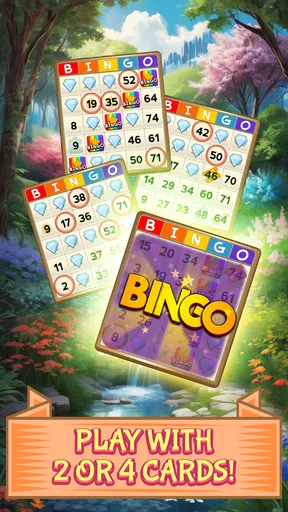
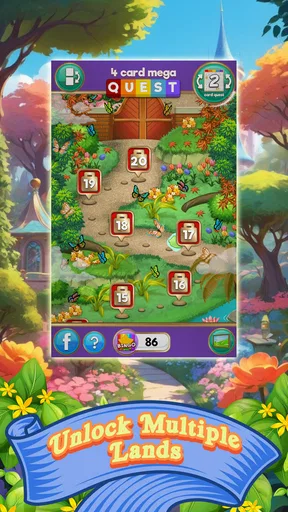
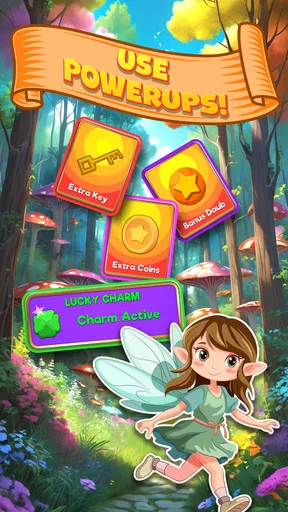


Our Review of Bingo Quest: Summer Adventure
 Analysis by Appyee
I spent time with Bingo Quest: Summer Adventure as a light board game for short breaks, and its appeal became clear quickly: it turns familiar bingo into a simple journey with a sunny seasonal feel. It is free to start, easy to understand, and comfortable for players who want something casual rather than a demanding strategy game. The basic loop is approachable enough for a first-time bingo player, while the board-game presentation gives each round a little more purpose than simply marking numbers.
The game comes from FGL Casual Match-3 and Bingo Games, and it sits in the board category. It has built a sizeable audience, with over five million installs, a 4.7 average from roughly fifty-four thousand ratings, and around seven thousand reviews. Those figures suggest that the straightforward format is connecting with many people, but they do not replace personal fit. I found that the real question is whether you enjoy repeated bingo rounds with a light adventure wrapper, because the game is intentionally focused rather than broad.
How the everyday play loop feels
My usual session starts with a quick decision: do I have time for one relaxed round, or do I want to continue through several stages? That flexibility is one of the strongest parts of the design. Bingo Quest: Summer Adventure does not require the kind of long concentration associated with a traditional strategy board game. I can pick it up while waiting for an appointment, during a quiet commute, or at the end of the day when I want something interactive but not mentally exhausting.
The familiar bingo foundation makes the first few minutes painless. You do not need to learn a complicated rule set before playing, and the summer journey gives the rounds a sense of movement. Instead of feeling like an isolated number-drawing exercise, each session fits into a broader themed progression. That small change matters: it gives me a reason to play another round without pretending that the game is a deep role-playing adventure.
I would describe the pace as deliberately casual. The enjoyment comes from watching a board develop, spotting useful calls, and making sensible choices about attention rather than from elaborate tactical planning. If you like games where every turn demands a carefully calculated response, this may feel too gentle. If you prefer a familiar activity that can occupy five or ten minutes without a steep learning curve, the format is much more suitable.
A realistic everyday use case is an evening when I want to put down social media but do not have the energy for a full game. I can play a round, pause my attention naturally between calls, and stop without feeling that I have abandoned a complicated campaign. That makes it a good companion for low-pressure downtime. It is less convincing as a centerpiece for a long gaming session, because the core action remains deliberately repetitive.
What the summer journey adds
The seasonal presentation is more than a change of wording, but it should be viewed in the right proportion. It gives the board-game structure a cheerful destination and helps separate this experience from a plain digital bingo card. I enjoyed that extra framing because it makes progression feel more tangible. At the same time, the theme does not transform bingo into a completely different genre. The numbers and boards remain the reason to stay, so anyone expecting a story-heavy adventure should adjust expectations.
That distinction is useful when choosing between this and other board games. A traditional digital board game may offer more direct competition, more complex decisions, or a stronger multiplayer identity. A standard bingo app may focus more narrowly on rapid rounds. This title occupies a comfortable middle ground: it keeps the rules accessible while giving the session a journey-like context. I think that is its clearest identity.
Settings and habits that improve the experience
Before settling into regular play, I recommend checking the available in-game settings rather than accepting the default presentation automatically. The most practical reason is comfort. Casual games can become tiring when visual effects, sounds, or notification behavior do not match the way you play. I prefer to make the game quiet enough for shared spaces and keep the screen readable, especially when playing in short bursts.
Settings will not turn this into a faster strategy game, but they can remove small annoyances. If you play at night, a less intrusive audio setup is more useful than a louder, more energetic presentation. If you play while multitasking, reducing distractions helps you notice the important calls without making the session feel noisy. These are modest adjustments, yet they are the kind of details experienced users handle once and then stop thinking about.
I also suggest checking the device requirements before installing. The game supports Android devices running version 6.0 or later, which covers a wide range of phones and tablets, but an older compatible device may still deliver a different experience from a newer one. Screen size can affect how comfortably you read the board, and battery condition matters if you intend to play for extended periods. A larger display is not essential, though it can make the board easier to scan at a glance.
The current version is listed as 999. I would treat that as a version label rather than a promise that every phone will behave identically. Keeping the app updated through the normal store process is sensible, particularly if you notice stability problems or changes in how the game responds. I would not choose this title solely because of the version number; the important issue is whether the actual play loop suits you.
Faster patterns without turning bingo into work
The best way to play more efficiently is not to rush every call. Rushing can make a relaxing game feel like a chore and increases the chance of overlooking a useful number. I found it better to use a repeatable scanning habit: check the board in the same direction each time, pause briefly after a call, and confirm the mark before moving on. Consistency is more valuable here than frantic tapping.
Another useful habit is separating attention from progression. I try not to think about the entire summer journey while handling the current board. I focus on the immediate card first, then consider the next step after the round ends. This keeps the session manageable and prevents the broader map or theme from distracting me from the actual bingo task. It is a small workflow change, but it makes repeated rounds feel less cluttered.
When playing on a phone, I hold it in a position that leaves one hand free for deliberate taps instead of trying to operate the board while walking or doing another task. That sounds obvious, but bingo depends on noticing individual calls. The game is casual, not automatic, and treating it as background noise can lead to missed actions. For the best balance, I use it during a defined break rather than while crossing a street, cooking, or handling anything that needs full attention.
Experienced players can also manage session length more intelligently. I prefer short blocks of play and stop when the activity begins to feel like repetition rather than entertainment. Because the game is free, there is no financial barrier to trying it, but free access does not mean unlimited patience. If a player feels compelled to continue only to reach the next small milestone, taking a break is usually the better choice.
Where the free model deserves attention
The game is free, but it includes in-app purchases priced at $1.99 per item. That matters because a casual bingo loop can encourage “just one more” decisions, particularly when progress feels close. I recommend deciding in advance whether you want to spend anything at all. If you are comfortable staying within the free experience, treat purchases as optional conveniences rather than part of the basic definition of the game.
This is also where the title may not suit every household. Parents choosing a game for a child should explain that free installation and optional purchases are different things. The content rating is Everyone, which makes the presentation broadly accessible, but an age rating does not replace sensible purchasing boundaries. I would use the device’s purchase controls and discuss expectations before handing the game to a younger player.
For adults, the trade-off is simple: the low entry cost makes experimentation easy, while optional spending can change how comfortable the progression feels. I would not call that a reason to avoid the game, but it is a reason to play with a clear budget. Players who dislike any in-app purchase pressure may prefer a paid board game with a single upfront cost, even if that alternative offers less seasonal charm.
Limits that become clearer with longer play
The main limitation is repetition. Bingo is the foundation, so the game cannot escape the rhythm of calls, marks, and completed goals. The summer adventure framing gives that rhythm context, but it does not remove it. I enjoyed the first sessions more when I accepted that the game was designed for comfort and routine rather than constant surprise.
That makes the title a poor match for someone seeking deep strategic variety. A competitive board game with resource management, negotiation, or changing tactical conditions will offer more meaningful decisions. A fast arcade game will provide stronger moment-to-moment reaction. Even another bingo game may be preferable if your priority is maximum speed and minimal presentation. This one is best when the familiar mechanics are a benefit rather than a limitation.
There is also a difference between playing casually and trying to optimize every outcome. The more seriously I approached each round, the more I noticed that the underlying activity was not built for intense analysis. The useful skill is attention management: reading the board, avoiding careless taps, and maintaining a comfortable rhythm. Expecting a complex competitive system from it creates unnecessary disappointment.
Its broad device support is helpful, but I would still consider how your particular phone handles a game with a themed visual interface. On a small or older screen, board readability may be less comfortable than on a tablet. That is not a flaw unique to this title, yet it affects whether the experience feels relaxing. If you often squint at small controls, a larger display or a different board game with a simpler layout may be the better option.
Who will get the most from it
I would recommend Bingo Quest: Summer Adventure to players who enjoy familiar bingo, light progression, and seasonal presentation. It works especially well for someone who wants a gentle game to fill short gaps in the day, or for a player who finds complex board games intimidating. The Everyone rating and simple entry point also make it approachable for a wide household audience, provided purchase boundaries are handled sensibly.
It is a good choice if you like a game that can be played in small portions without demanding a long uninterrupted commitment. The free starting point makes it easy to test that fit. I would begin with a few short sessions, adjust the sound and notification behavior to your surroundings, and then decide whether the journey adds enough motivation to keep returning.
I would skip it if your ideal board game depends on direct competition, elaborate planning, or dramatic changes from one round to the next. I would also look elsewhere if you want a completely purchase-free experience or if repetitive number-marking loses its appeal quickly. In those cases, a traditional strategy board game, a paid premium title, or a more action-focused casual game would probably use your time better.
My verdict after building a repeatable routine
What I like most is the balance between recognition and presentation. I do not have to study rules, but I still get more of a sense of direction than I would from a bare bingo utility. The summer theme keeps the experience friendly, and the short-session structure makes it easy to fit around ordinary life. The developer has clearly aimed at accessibility rather than complexity, and I think that focus is appropriate for the category.
What keeps it from being a universal recommendation is the same simplicity that makes it welcoming. The core loop can become predictable, and the optional $1.99 purchases mean careful players should set boundaries before settling into regular sessions. I also would not mistake the adventure label for a story-driven campaign or a deep board-game system. It is a themed bingo experience first.
Overall, I see Bingo Quest: Summer Adventure as a pleasant free option for relaxed bingo sessions, especially when I want something easy to start and easy to put down. My practical advice is to adjust the settings for your environment, use a steady scanning habit instead of rushing, play in short blocks, and decide your purchase limit before the game has a chance to influence that decision. If those conditions match what you want, this is a cheerful and accessible board game worth trying.
Verdict
Strengths of Bingo Quest: Summer Adventure
- Bright summer-themed graphics make each level feel cheerful and inviting.
- Short bingo rounds are convenient for quick play sessions.
- Progression rewards encourage regular play without requiring long sessions.
- Simple controls make the game accessible to casual players.
- Seasonal events add variety and give returning players new goals.
Limitations of Bingo Quest: Summer Adventure
- Some levels may depend heavily on luck rather than strategic decisions.
- Frequent rewards and pop-ups can make the interface feel busy.
- Later stages may become repetitive once the novelty wears off.
- Limited offline functionality can restrict play while traveling.
- Optional purchases may be needed to progress more comfortably.
Similar Picks in This Category
View All
Ludo King®
Gametion4.1

Ludo
Yarsa Games4.6

Tile Master® - Matching Game
Higgs Studio3.6

Checkers Online
CC Games4.6

Dominoes
Loop Games4.7

Chess
Chess Prince4.6
Frequently Asked Questions
What is Bingo Quest: Summer Adventure?
Bingo Quest: Summer Adventure is a casual bingo game with a colorful summer-themed journey. Instead of playing only traditional bingo rounds, you progress through different locations, complete boards, collect rewards, and unlock new stages. The game is designed for short sessions, making it suitable for players who enjoy relaxed puzzle and luck-based gameplay with a light adventure format.
Is Bingo Quest: Summer Adventure free to download and play?
The game can generally be downloaded and started without an upfront purchase, but it may include optional in-app purchases. These purchases can provide extra coins, boosters, tickets, or other conveniences that help you continue playing. You can usually enjoy the main experience for free, although progress may feel slower if you choose not to spend money on additional resources.
Does Bingo Quest: Summer Adventure require an internet connection?
An internet connection may be needed for certain features, including loading advertisements, synchronizing progress, receiving limited-time events, and processing in-app purchases. Some bingo rounds may work temporarily when you are offline, but availability can vary by device and version. For the most reliable experience, it is best to launch the game while connected to Wi-Fi or mobile data.
Is Bingo Quest: Summer Adventure suitable for children?
Bingo Quest: Summer Adventure uses simple controls and bright, friendly visuals, so it can be easy for younger players to understand. However, parents should review the age rating, advertising, data practices, and optional purchases before allowing children to play. Because the game may offer purchasable items or display ads, parental controls are recommended on shared devices.
What should I know before downloading Bingo Quest: Summer Adventure?
Before downloading, check that your Android or iOS device meets the current requirements and has enough free storage for the installation and future updates. Gameplay is based partly on chance, while progression may include timed rewards, advertisements, and optional purchases. Also review the permissions requested by the app and confirm that its privacy policy and account features meet your expectations.
Play our best games!


